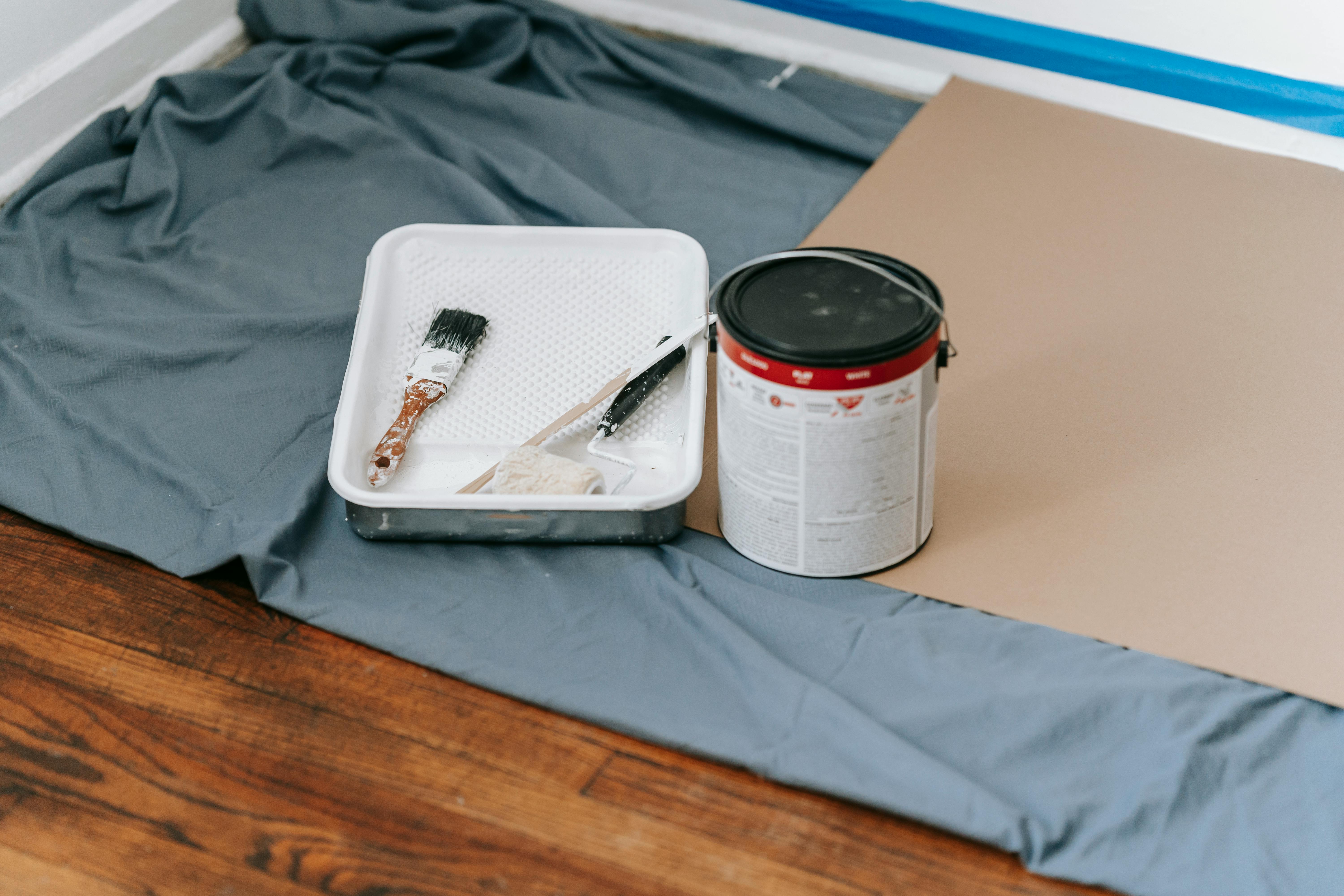
Introduction to Paint Types
Choosing the right paint for your home can be daunting, especially with the myriad of options available in 2026. For homeowners in Erlanger, KY, understanding the basics of paint types and their applications is crucial to achieving a beautiful and lasting finish. In this guide, we will demystify paint types, breaking down technical jargon into simple terms so you can make informed decisions for your next painting project.
Why Understanding Paint Types Matters
Each paint type offers unique benefits and is suited for specific applications. Selecting the wrong paint can lead to poor adhesion, premature wear, or mismatched aesthetics. By understanding the differences, you can save time and money while ensuring your space looks its best.
Common Paint Types Explained
Acrylic Paint
Acrylic paint is a popular choice for its versatility and durability. Made from acrylic resins, it’s suitable for both interior and exterior surfaces. The quick-drying nature of acrylics makes them ideal for fast-paced projects, and their resistance to moisture and fading ensures longevity.
Latex Paint
Latex paint , often confused with acrylic, is water-based and known for its easy application and cleanup. It's predominantly used for interior walls and ceilings and is valued for its low VOC (volatile organic compounds) levels, making it environmentally friendly.
Oil-Based Paint
Oil-based paint offers a smooth, glossy finish and is highly durable, making it perfect for high-traffic areas or surfaces that require frequent cleaning, like doors and trims. However, it takes longer to dry and requires solvents for cleanup.
Enamel Paint
Enamel paint is known for its hard, glossy finish. It’s typically used on surfaces that endure heavy wear, such as kitchen cabinets and outdoor furniture. Enamel is available in both oil and water-based formulas.
Specialty Paints
In 2026, specialty paints have gained popularity for their unique functionalities. These include chalkboard paint for writable surfaces, magnet paint for creating magnetic areas, and anti-mold paint for damp-prone areas.
Choosing the Right Paint for Your Project
When selecting paint, consider the following factors:
- Surface Type: Different surfaces require specific paints for optimal adhesion and finish. For instance, drywall may need a different paint type than wood or metal.
- Location: Interior paints differ from exterior paints in terms of durability and weather resistance.
- Finish: Paints come in various finishes such as matte, satin, semi-gloss, and gloss, each offering a different look and feel.
- Environment: Consider the room’s humidity and sunlight exposure. High humidity areas like bathrooms may require moisture-resistant paints.
Eco-Friendly Paint Options
In line with 2026 trends, eco-friendly paints have become increasingly important. Look for paints labeled as low-VOC or zero-VOC to reduce environmental impact and improve indoor air quality.
Common Paint Mistakes and How to Avoid Them
Many homeowners make simple mistakes that can impact their paint job’s quality. Here are some to avoid:
- Skipping Primer: Primer ensures better adhesion and a more uniform finish.
- Ignoring Drying Times: Allow adequate drying time between coats to avoid peeling and streaking.
- Using the Wrong Tools: Choose the right brushes and rollers based on the paint type and surface.
Conclusion: Simplifying Paint Choices
Understanding the different types of paint available in 2026 can empower homeowners in Erlanger, KY to make informed decisions. By selecting the right paint for your project, you can enhance your home’s aesthetic appeal and longevity. If you need further assistance, Jeff Milbauer Painting is here to help with expert advice and professional services tailored to your needs.
For more information or to schedule a consultation, contact us today.